
How to staycation the healthy way!
Eazi Business • June 9, 2021
There's a misconception that travel, vacation and gaining weight are synonymous. We aim to be "as healthy as we can" and blow our intention before even getting to our destination. What if we said, it doesn't need to be this way? What if we said that you can go away on your next trip and come back looking and feeling fabulous - perhaps even having lost weight if that's your goal?
Here we will share our favourite tips for staying on track and keeping your health and wellness in check on your next trip. We'll also be sharing some anecdotal thing we did on our recent staycation in Scotland - after all, we practice what we preach!
Stick to your routine
We all work better with a bit of structure in our lives. Don't let the days run away from you and try and adopt the same routine on holiday as you do at home. This doesn't mean you pull out the laptop and get some work done, but try and sleep, wake, eat and snack at similar times. If your routine is to wake and have a hot water with lemon followed by filling up your water bottle for the day, do the same when you're away.
Keep breakfast simple and balanced
All you can eat buffets that open at 7 in the morning and stay open until 11 am can be tempting. But with one croissant packing in 300 calories and copious amounts of butter and saturated fat, it can be the worst way to start the day. Ever heard the term, 'start as you mean to go on'? Don't open the floodgates at breakfast. Instead try and stick with a balanced breakfast like a smoothie, a yogurt bowl with oats and fruit, a vegetable omelette with grilled vegetables and enjoy the feeling of dining well. Your gut and your subsequent decisions will thank you for it! We both asked for omelettes (Sonali's being an egg white omelette) and the hotel were only too happy to help!
Start with the greens!
About 1 in 10 people are obese in Italy, significantly less than the OECD average of 1 in 6. Despite being the land of pizza and pasta, Italians always start with a soup or salad before their main meal meaning that they eat less of their main. Fill up on the healthier, greener options first and satiate that initial emptiness of hunger. Always order that salad!
Conscious consumption
One of our biggest pet peeves is food wastage especially in an all inclusive hotel. The sheer gluttony can often be sickening. Think before you speak should also coincide with think before you eat. Ask yourself, when selecting food dishes, do you really need those three plates of foods to try during the buffet lunch? Probably not. Secondly ask yourself 'How do I want to feel after this meal?'. Do you want to feel bloated, full and tired or light, energised and positive? Eating mindfully and consciously can help you become more aware of what you really want and what you need. Often a tablespoon of that tiramisu is all that you needed.
If you're in a self-catered accommodation, you're winning! Plan your meals ahead of time and bring some deliciously balanced meals to make. If you're en route, have a look on the websites of the service station eateries. We bought the Marks and Spencers super whole-food salad which was deliciously balanced!
Get moving daily
You don't need to get in a solid session at the gym every day but do make sure you're moving every day. Movement isn't just to burn calories but is also there to keep your body's health in check. Take a long walk down the beach, go for an aqua class, do some dancing or get in a workout in your room. If you’re used to a longer workout back at home, don’t let the idea of a shorter one on vacation stop you from doing it. We both did a long walk daily, walked after lunch, walked around the city to sight see and did some yoga in the evening to stretch and heal!
Get quality sleep
Poor quality sleep leads to poor cognitive function. Our worst decisions come from lack of sleep. Vacations are a great opportunity to get more sleep and really focus on getting some solid R & R. In order to really improve your sleep quality, ask for a quieter room, request a room away from the kitchen area or main walkways and avoid eating anything within 1-2 hours of bedtime. You can also bring an eye mask, lavender oil and earplugs if you need a bit more assistance. You'll feel revitalised, you'll make more sensible decisions when it comes to your nutrition and movement and you'll get your body working at its best. After all, machines work best after turning them off and on.
Avoid the bubbly
If there was ever an easy win it would be avoiding anything with bubbles - alcohol, fizzy drinks and sodas. With added calories, sugar, sweeteners and chemicals these can be the reason we struggle with bloating, indigestion, poor sleep, increased stress and more. Opt for water, fresh fruit infused water or if you need the bubbles, go for a sparkling water with some added lime, lemon or mint! You'll feel so much better for it.
Travelling can be an ideal time to reset your well-being clock and tune in to what your physical and mental health really needs to operate at its optimal level. Long gone are the days that we need to indulge in consuming food and drinks amounting to our body weight and more. Give the above 7 points a go and come back feeling lighter, happier, satisfied and fulfilled - in every way possible.
And if you're thinking, 'but vacations are for eating whatever I want, that's where the fun lies' this may be pointing to a deeper problem entirely, regarding your relationship with food...but that's a blog for another day. #foodforthought
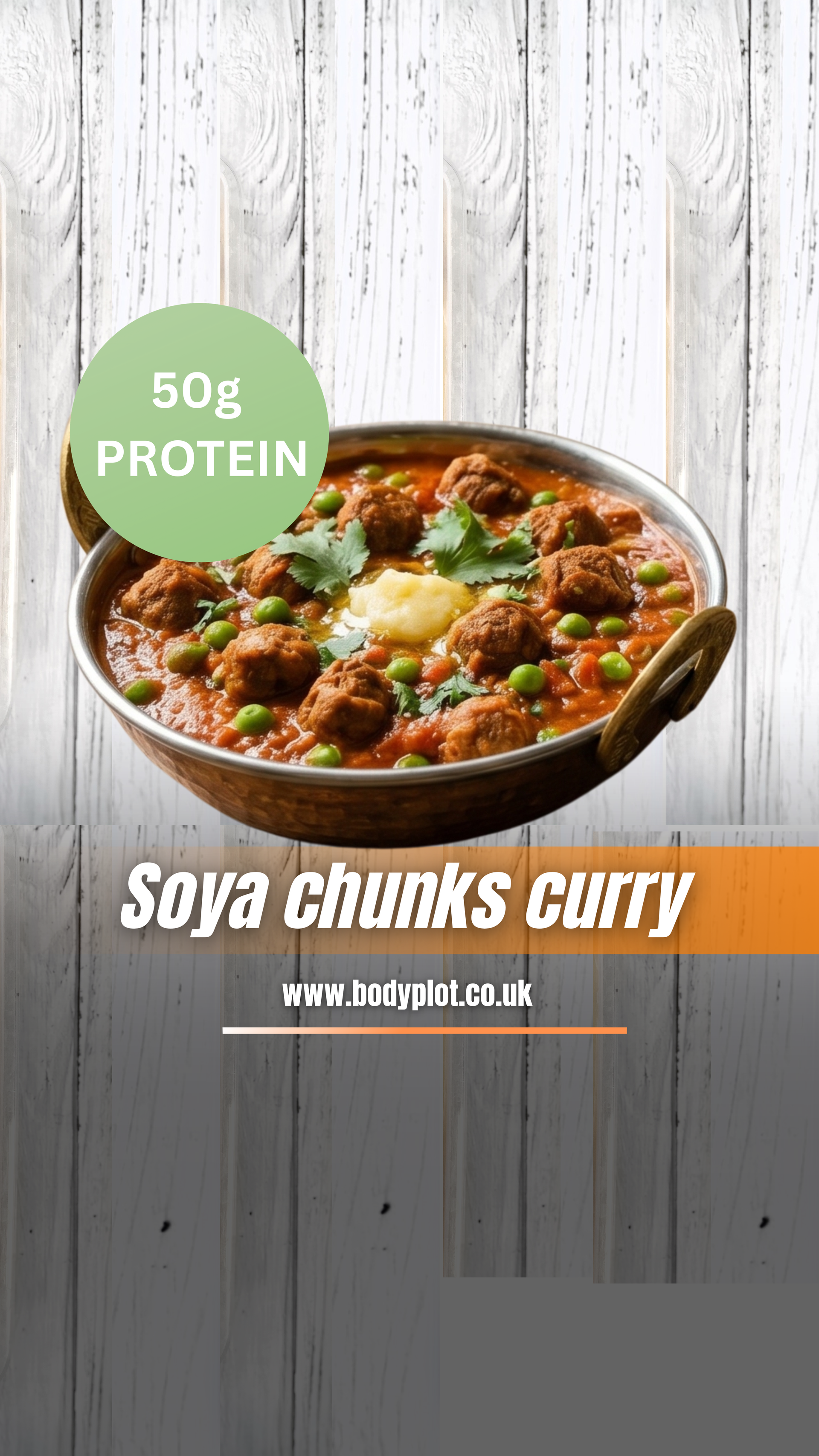
SOYA CHUNKS & PEAS CURRY (High Protein, Budget Friendly) Ingredients + Method Soak: 100g soya chunks in hot water for 10 minutes Squeeze out water and rinse. In a pan, heat 1 tsp oil. Add: 1 chopped onion Cook until golden. Add: 1 tbsp ginger-garlic paste Add spices: 1 tsp cumin 1 tsp garam masala 1 tsp coriander powder ½ tsp turmeric Add: 2 chopped tomatoes Cook until soft. Add: 100g frozen peas Soya chunks Add 200–300ml water and simmer for 15 minutes. Finish with: Fresh coriander Squeeze of lemon
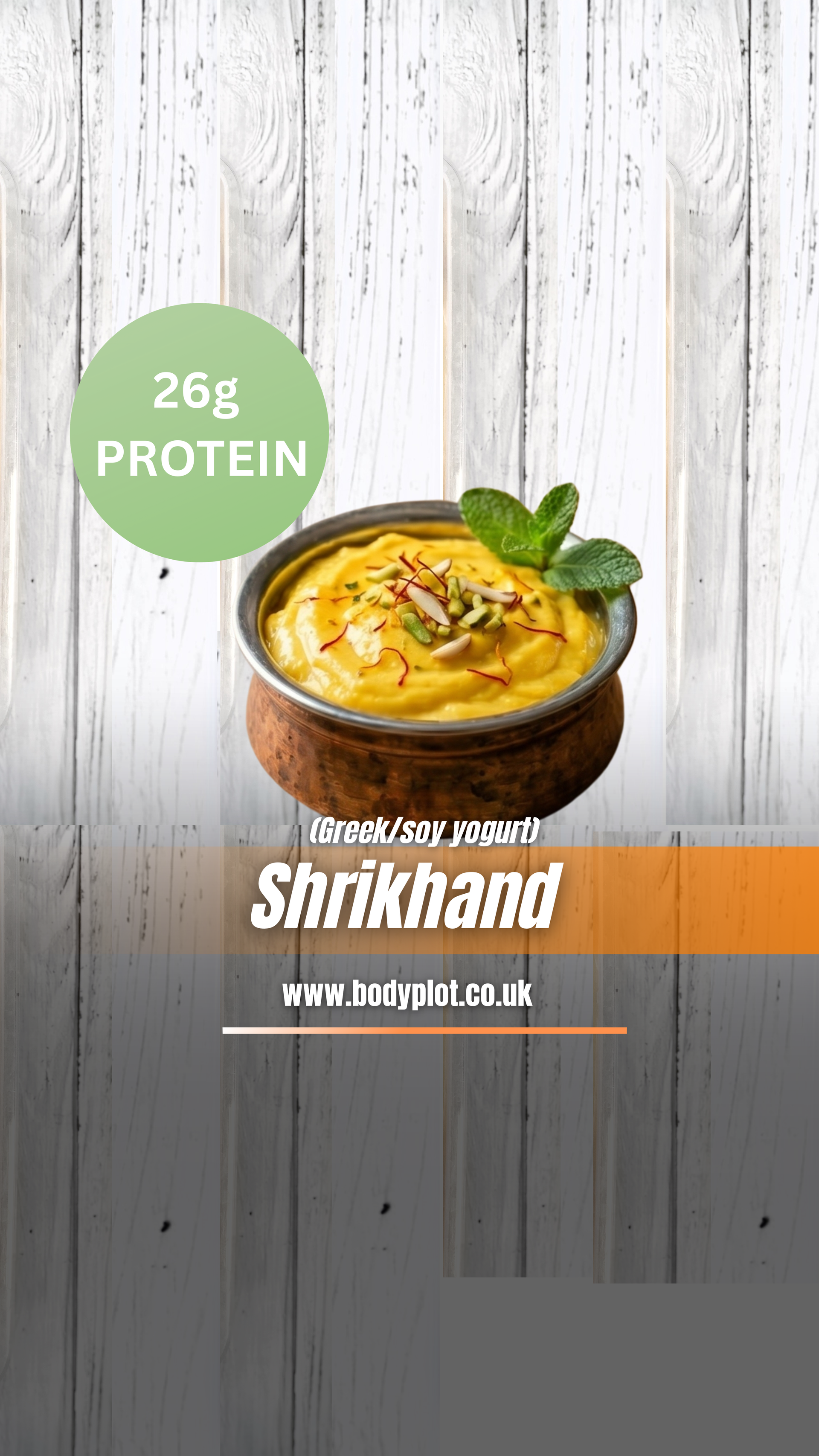
GREEK / SOYA YOGURT SHRIKHAND (High Protein Dessert) Ingredients + Method In a bowl, combine: 300g 0% Greek yogurt OR thick soya yogurt (If using regular yogurt, strain overnight for thickness) Add: 1–2 tbsp maple syrup or honey or stevia powder 1/2 tsp cardamom powder ¼ tsp cardamom powder Few strands saffron soaked in warm water Mix well until smooth. Optional toppings: Chopped pistachios Almond slivers Chill for 1 hour before serving.
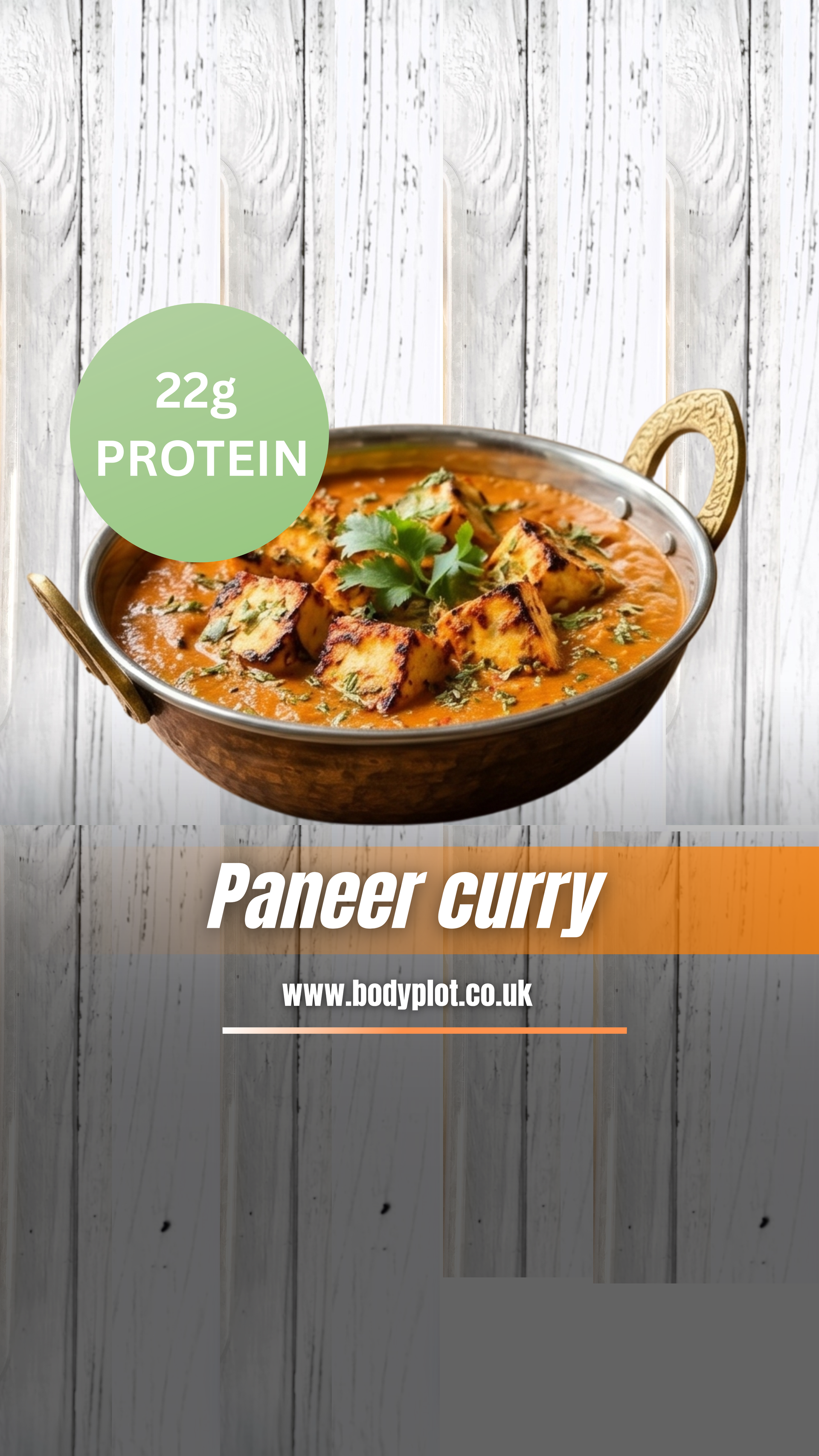
PANEER TIKKA MASALA (Lighter, High Protein Version) Ingredients + Method Cut 250g Apetina paneer into cubes. Marinate with: 3 tbsp 0% Greek yogurt or Soya yogurt 1 tsp turmeric 1 tsp garam masala 1 tsp paprika Salt Leave for at least 30 minutes. Air fry or grill at 200°C for 10–12 minutes until lightly charred. For sauce: In a pan, heat 1 tsp oil. Add: 1 chopped onion Cook until soft. Add: 2 cloves garlic 1 tbsp ginger Add spices: 1 tsp cumin 1 tsp garam masala ½ tsp turmeric Add: 1 tin chopped tomatoes Simmer 10 minutes and blend if desired. Stir in: 2 tbsp Greek or soya yogurt (off heat to avoid splitting) Add paneer and simmer gently for 5 minutes. Finish with coriander.
The body content of your post goes here. To edit this text, click on it and delete this default text and start typing your own or paste your own from a different source.
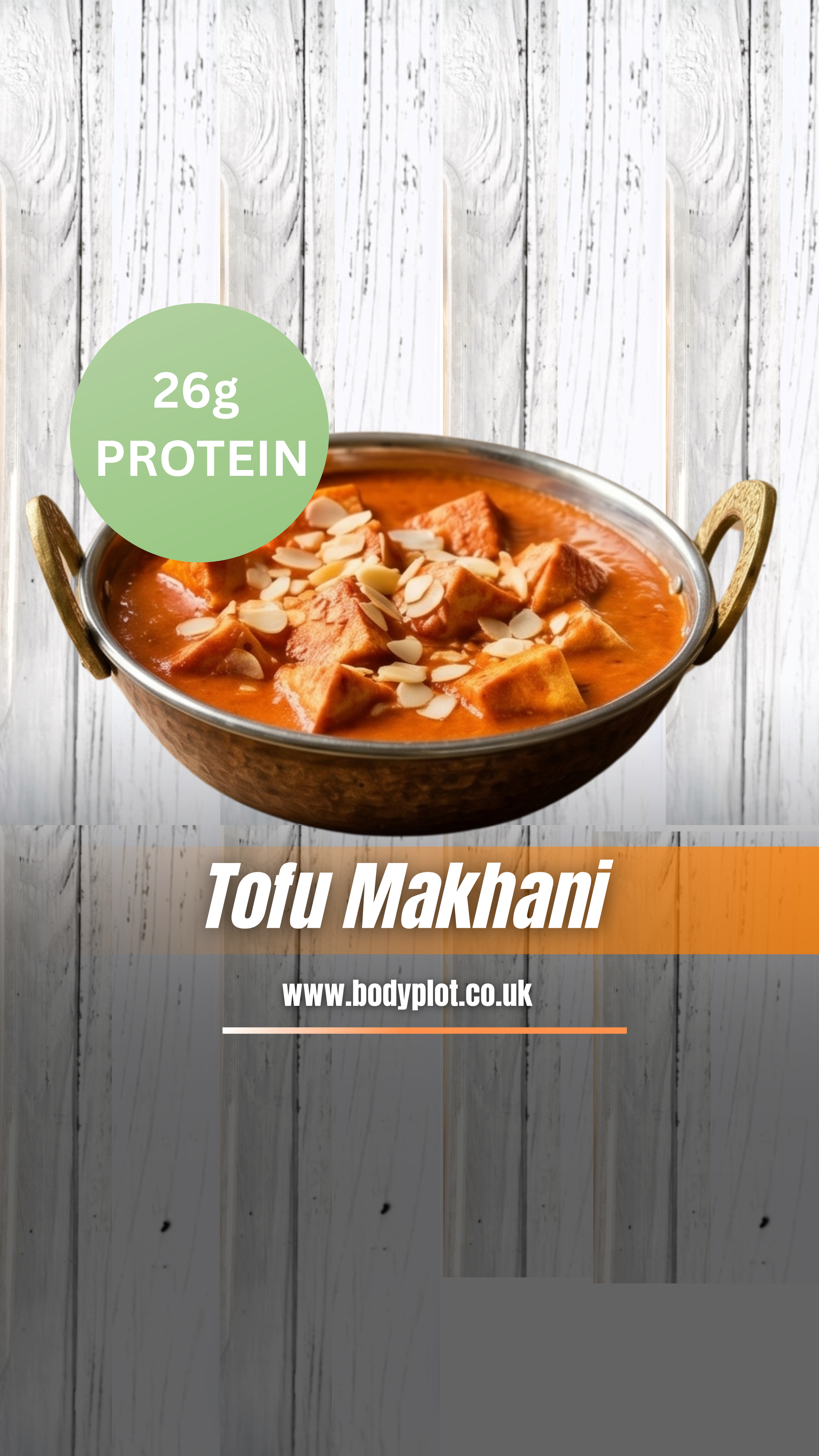
The body content of your post goes here. To edit this text, click on it and delete this default text and start typing your own or paste your own from a different source.
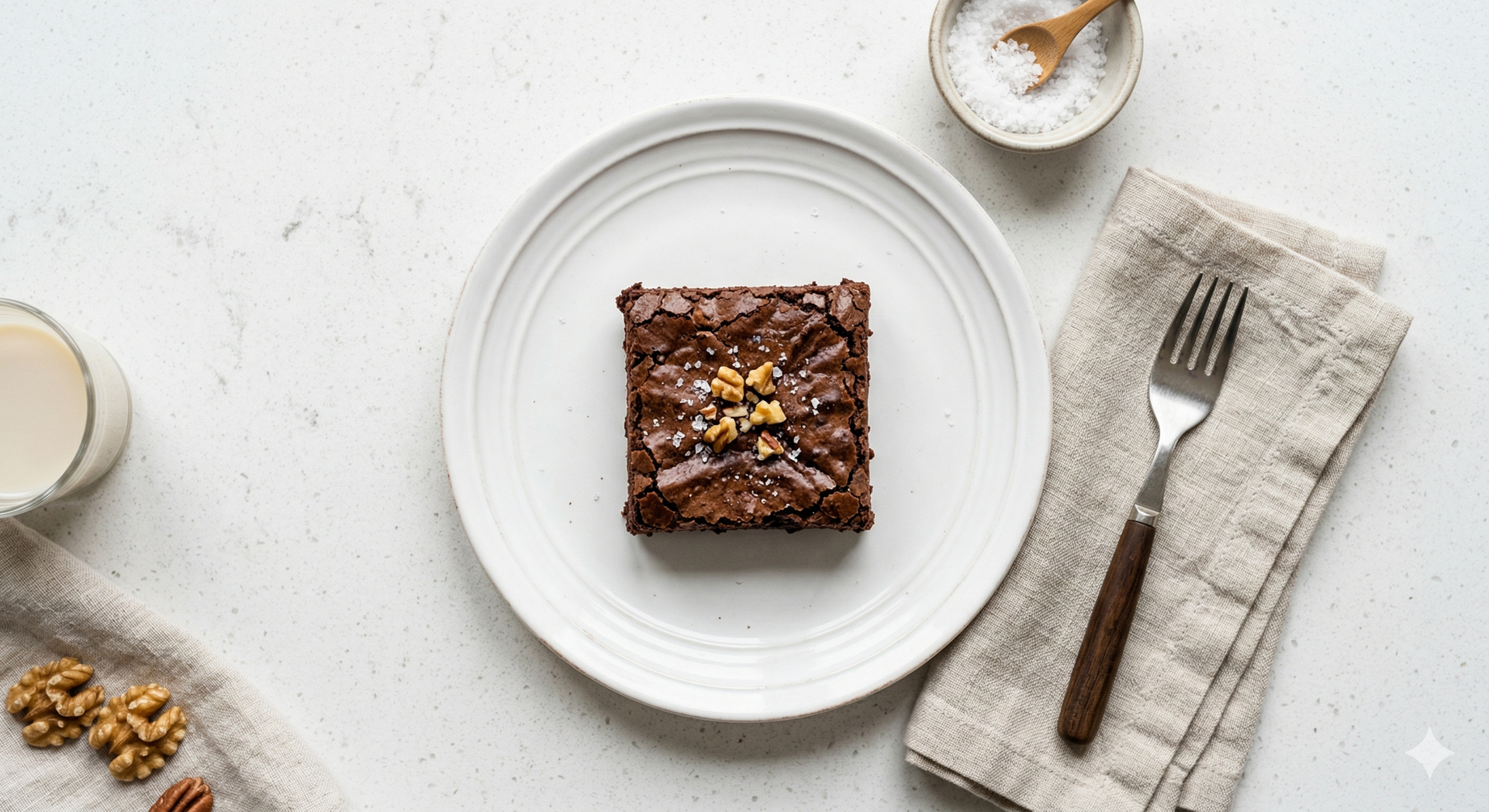
🌱 What You’ll Need (Ingredients): Sweet Potato Puree: 1 ½ cups (Approx. 2 medium sweet potatoes, roasted and mashed) Nut Butter: ½ cup almond or cashew butter (creamy works best) Maple Syrup: ¼ cup (or honey) Cocoa Powder: ½ cup (unsweetened, good quality) Oat Flour: 1/3 cup (or almond flour for GF) Eggs: 2 large (or substitute with 2 flax eggs for vegan!) Vanilla Extract: 1 tsp Baking Powder: 1 tsp Sea Salt: ½ tsp + extra for finishing Chocolate Chips: ½ cup (dark is delicious!) Walnuts: ¼ cup, chopped (for the topping!) Optional: A pinch of cinnamon or cardamom for that extra spring warmth! ✨ 👩🍳 How to Make the Magic (Method): Prep: Preheat your oven to 175°C. Line an 8x8 inch baking dish with parchment paper (leave overhang for easy removal!). Blend the Base: In a large bowl or food processor, combine the smooth sweet potato puree , nut butter , maple syrup , eggs (or flax eggs), and vanilla extract . Mix until perfectly smooth and creamy. Add the Dry Ingredients: Add the cocoa powder , oat flour , baking powder , and sea salt . Fold gently until just combined—don’t overmix! (The texture should be thick and dreamy). If you’re using cinnamon or cardamom, add it now. Fold in the Treats: Gently fold in most of your chocolate chips . Leave a few aside to sprinkle on top! Assemble: Pour the batter into your prepared pan and smooth the top. Sprinkle with the reserved chocolate chips, the chopped walnuts , and a generous pinch of flaky sea salt . Bake: Bake for 25–30 minutes, or until the edges are firm and the center feels set but still soft. You want them fudgy! Chill (The Secret!): This is the hardest part, but it’s crucial. Let the brownies cool completely in the pan, then refrigerate them for at least 1 hour (or overnight) before slicing. This locks in that magical, dense, fudgy texture. Serve & Celebrate: Lift the brownies out using the parchment, slice into squares, and enjoy! ✨ Perfect with a glass of milk (dairy or non-dairy!) or just as they are.
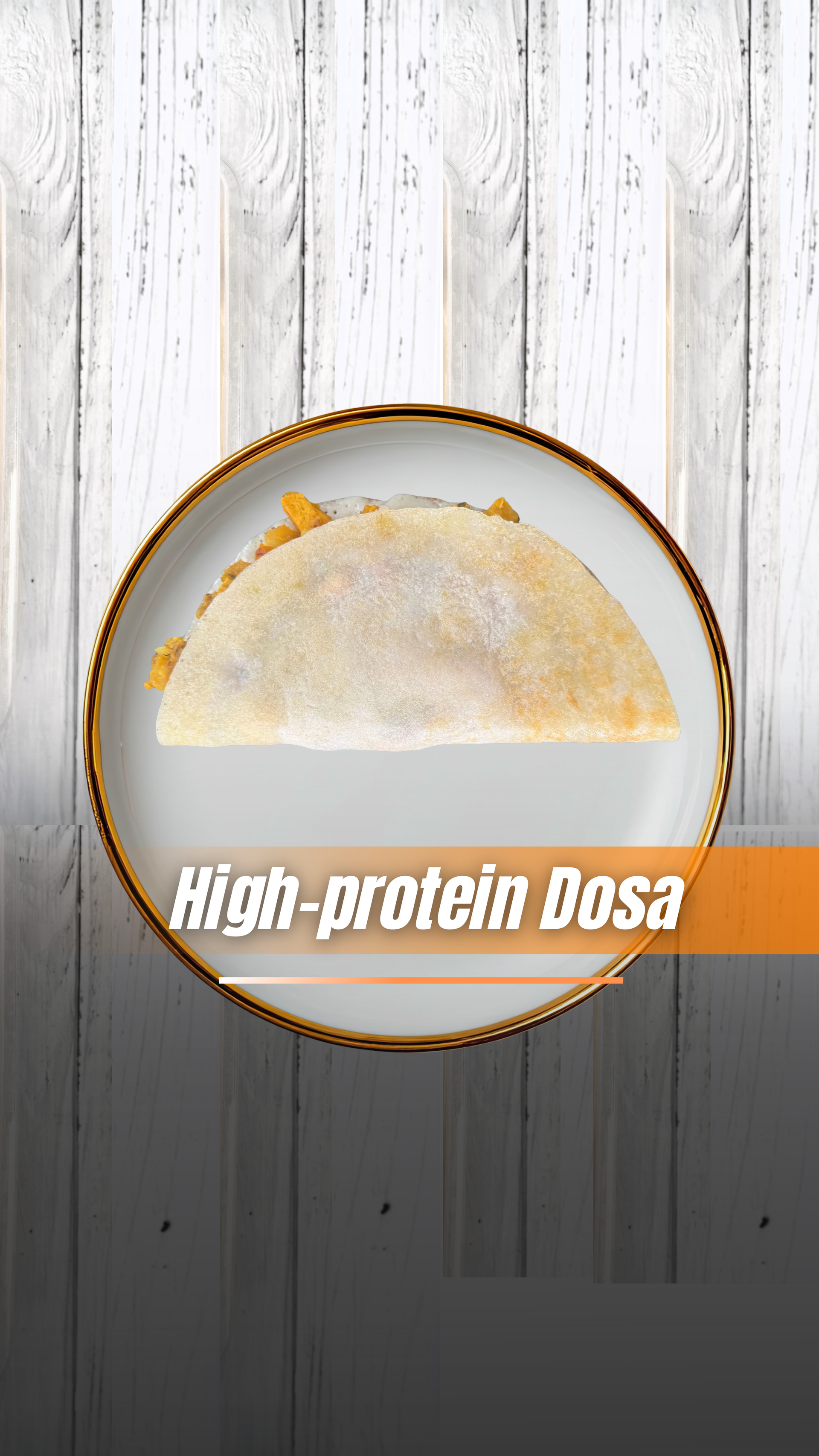
20g Protein Dosa (Paneer or Tofu Filling) A comforting South Indian favourite with a high-protein twist. If you love dosa but struggle to hit your protein targets, this version is a game changer. By combining a traditional potato masala with either paneer or tofu, each dosa delivers around 20g of protein while still tasting like the classic comfort food we all love. Perfect for breakfast, lunch or dinner when you want something satisfying, nourishing and simple to make. Serves Makes 4 high-protein dosas Protein Approx 20g protein per dosa Ingredients For the dosa batter 2 cups dosa batter (store bought or homemade with more lentils) 1 tsp oil or ghee per dosa for cooking For the high-protein masala filling 2 medium potatoes, boiled and roughly mashed 200g paneer or firm tofu, crumbled 1 small onion, finely chopped 1 tsp mustard seeds 1 tsp cumin seeds 8–10 curry leaves 1 green chilli, finely chopped (optional) ½ tsp turmeric ½ tsp chilli powder 1 tsp garam masala Salt to taste 1 tbsp oil Juice of ½ lemon Handful fresh coriander, chopped Method Prepare the filling Heat oil in a pan over medium heat. Add mustard seeds and allow them to pop. Add cumin seeds and curry leaves and sauté for 30 seconds until fragrant. Add the chopped onion and cook until soft and lightly golden. Build the masala Add turmeric, chilli powder and garam masala. Stir for 30 seconds. Add the mashed potatoes and mix well so they absorb the spices. Add the protein Stir in the crumbled paneer or tofu and mix thoroughly with the potato masala. Cook for 3–4 minutes so everything heats through. Finish with lemon juice and fresh coriander. Cook the dosa Heat a non-stick or cast-iron pan. Pour a ladle of batter and spread into a thin circle. Drizzle a little oil or ghee around the edges and cook until the bottom is golden and crisp. Assemble Place a generous scoop of the protein masala in the centre of the dosa. Fold and serve hot with chutney or sambar.
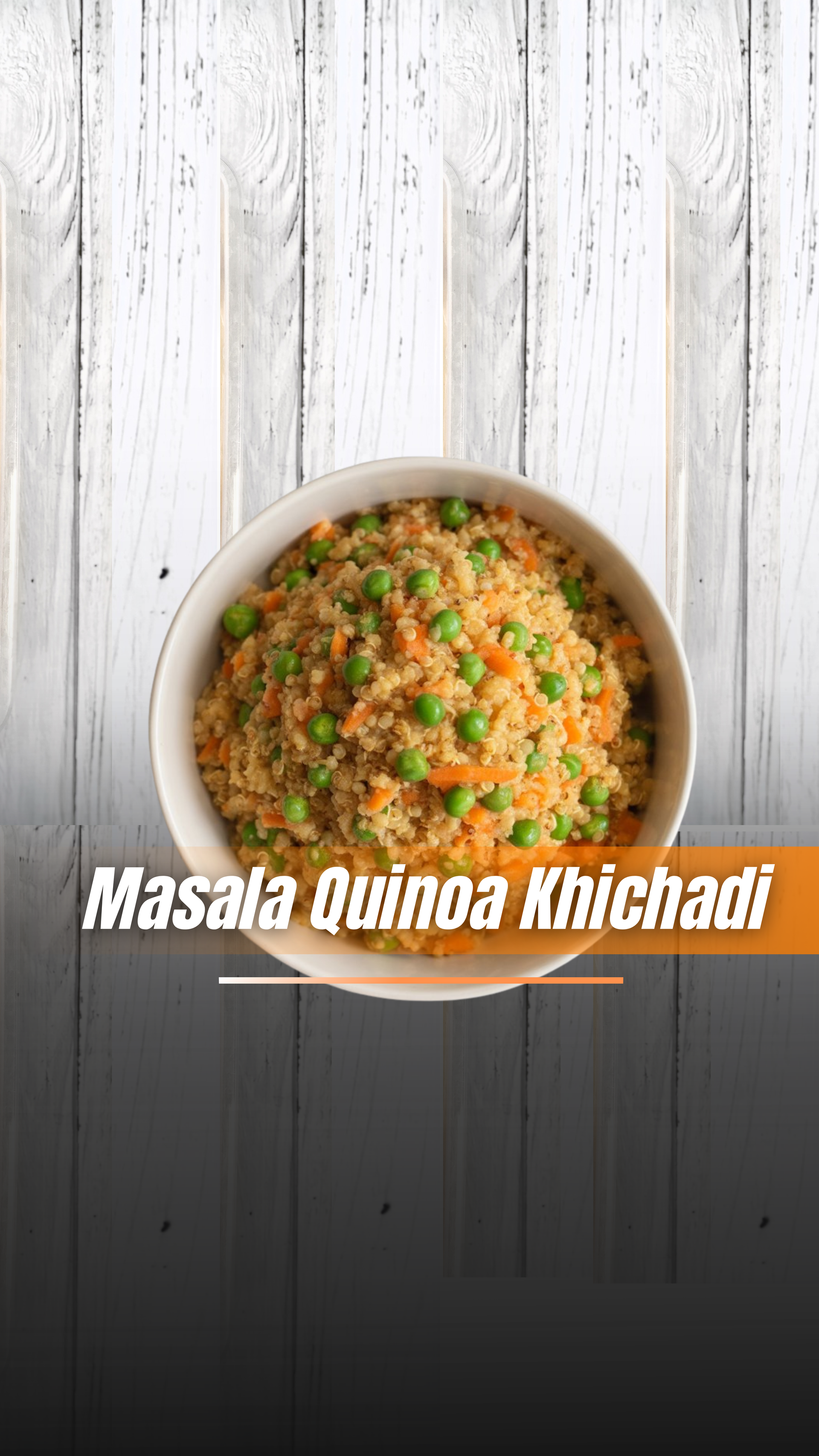
Quinoa Khichadi Feeds 4–5 people Ingredients 812 g cooked quinoa 120 g yellow moong dal (about ⅔ cup), rinsed 2 tbsp ghee or olive oil 1½ tsp cumin seeds 1 tsp mustard seeds (optional) 2 tsp grated ginger 1–2 green chillies, finely chopped (optional) ½ tsp turmeric 1 tsp ground coriander 1 tsp ground cumin 2 medium carrots (about 200 g), diced 150 g peas 1 medium courgette (about 180 g), diced (optional) 1.2–1.5 litres water (adjust for texture) Salt to taste Fresh coriander to garnish Lemon wedges to serve Optional tempering 2 tsp ghee 1 tsp cumin seeds Pinch hing 6–8 curry leaves Method (with quantities included) Add 120 g rinsed moong dal and 500 ml water to a saucepan and simmer for 15–20 minutes until very soft. Heat 2 tbsp ghee or olive oil in a large pot. Add 1½ tsp cumin seeds and 1 tsp mustard seeds and let them crackle. Add 2 tsp grated ginger and 1–2 chopped green chillies and sauté for 30 seconds. Stir in ½ tsp turmeric, 1 tsp ground coriander and 1 tsp ground cumin and toast briefly. Add 200 g diced carrots, 150 g peas and 180 g diced courgette and cook for 3–4 minutes. Add the cooked moong dal, 812 g cooked quinoa, salt and 700 ml water. Stir well. Simmer for 8–10 minutes, adding more water until the khichadi is soft and spoonable. You may need up to another 500–800 ml depending on how thick you like it. Optional tempering: heat 2 tsp ghee, add 1 tsp cumin seeds, pinch hing and curry leaves, let splutter and pour over. Garnish with coriander and lemon juice before serving. Extra Body Plot Tips Add spinach at the end for iron and fibre Stir in tofu cubes for extra protein Serve with coconut yogurt and mango pickle Great for clients with gut issues, post-illness recovery, or reset weeks
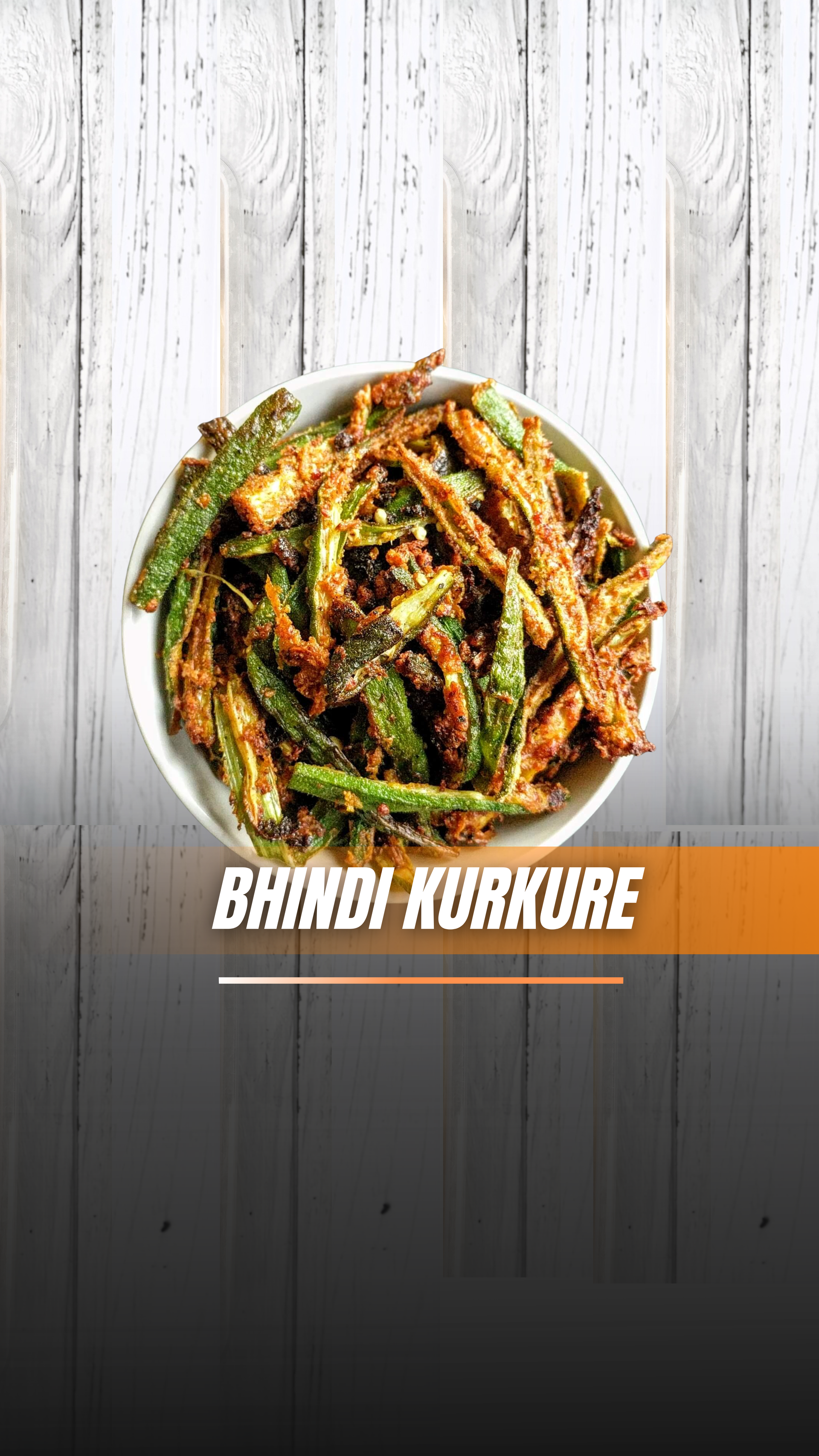
A lighter, oil-controlled version of restaurant-style kurkure bhindi. Perfect as a crunchy side, snack, or topping for dal bowls - and great addition for every household on Friday Fakeaway night! Serves : 6–8 as a side dish Ingredients 1kg fresh bhindi (okra) 120g gram flour (besan) 60g rice flour 40g cornflour 2 tsp turmeric powder 4 tsp red chilli powder 4 tsp coriander powder 2 tsp cumin powder 2 tsp amchur (dry mango powder) 2 tsp chaat masala 2 tsp ajwain (optional) 2½–3 tsp salt (to taste) 4 tbsp oil (about 60ml) Light oil spray for air fryer Optional finish: lemon juice + extra chaat masala Method Wash the bhindi and dry completely. Moisture makes it slimy and prevents crisping. Slice lengthwise into thin strips. The thinner the slices, the crispier the result. Place bhindi in a large bowl. Add oil and salt and toss well. Add besan, rice flour, cornflour and all spices. Mix gently using your hands so each strip is lightly coated. The coating should be thin, not thick like pakoras. If mixture looks too dry, sprinkle 1–2 tbsp water. If too sticky, add 1 tbsp rice flour. Air Fryer Cooking Preheat air fryer to 180°C. Spread bhindi in a single layer (cook in batches if needed). Spray lightly with oil. Air fry 14–18 minutes, shaking halfway. Cook until deep golden and crisp. For extra crunch: cook 12 minutes, rest 5 minutes, cook another 3–4 minutes. To Serve Sprinkle chaat masala and squeeze fresh lemon juice. Serve with dal, yoghurt dip, wraps, or as a crunchy topping on salads. Storage Cool completely before storing. Keep in airtight container up to 2 days. Reheat in air fryer 3–4 minutes to crisp again. Body Plot benefits: High fibre and lower oil than traditional frying. Add crushed flaxseed or hemp seeds for extra protein. Pair with dal + salad for a balanced menopause-friendly meal and diabetes friendly meal with stable energy.
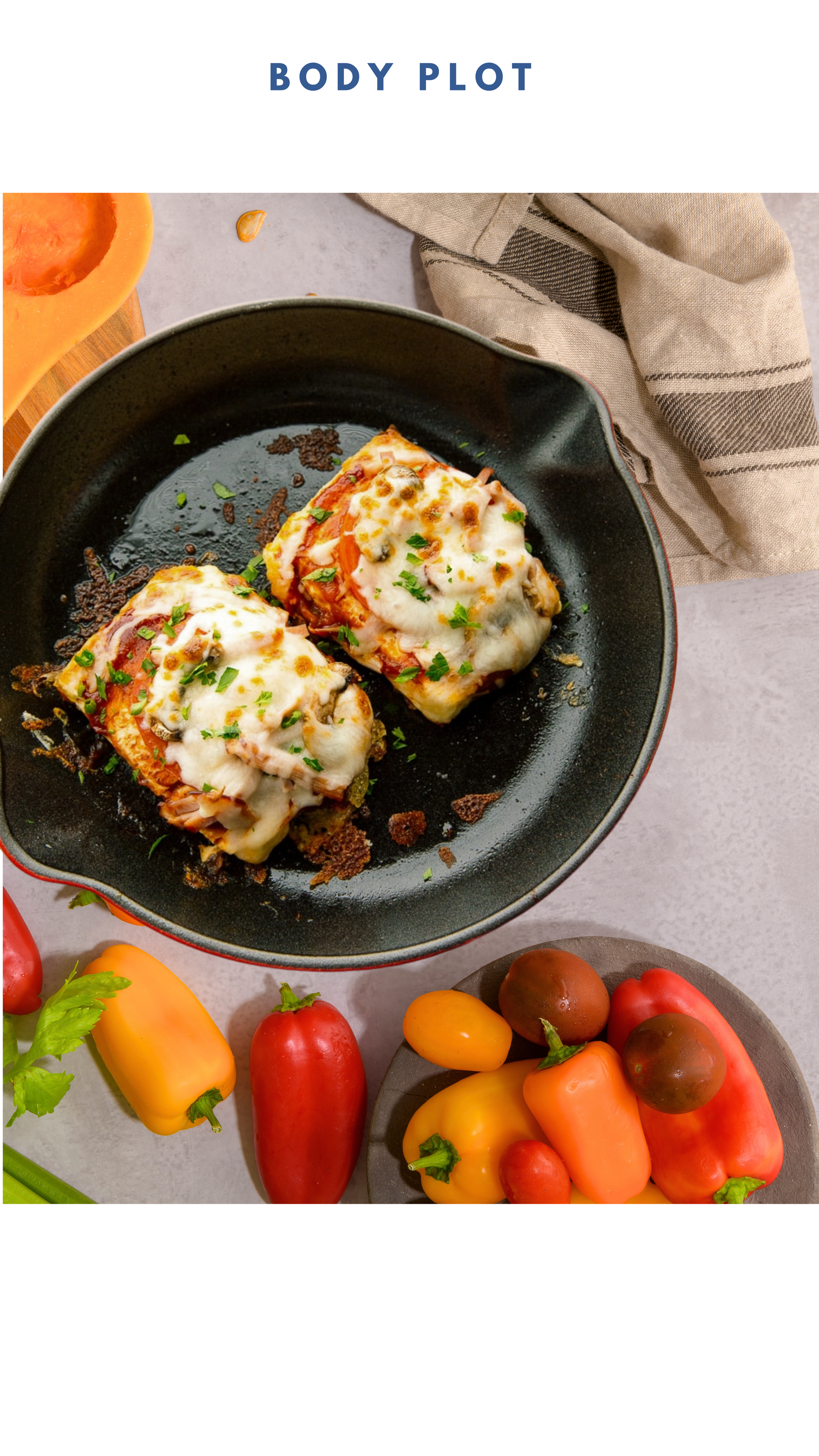
This recipe is such a delicious and nutritious take on pizza! If you've not enjoyed tofu previously, this recipe will change your opinion. Want to have your cake and eat it too? Try: have your pizza and eat it too! Key benefits: - High in Protein - Plant-centric with over 8 vegetables in this one dish - Can be easily made Vegan - Great for lowering cholesterol - Great for menopausal women Ingredients: - 1 block of Tofu [we used basil tofu] - Homemade or store bought tomato sauce - Protein cheese [Eat Lean or LIDL high protein] or Vegan Mozzarella - Vegetables of choice, we used: Aubergines, courgettes, sweetcorn, tomatoes, mushrooms, onions & red peppers - Lower in fat pesto Method: Drain tofu according to instructions on the pack. Cut tofu lengthways - this should result in approximately 3-4 tofu bases. Add these to a oil brushed air fryer or oven and bake at 190 degrees for 12 minutes, turning halfway. Finely dice the vegetables. Top with sauce, vegetables, cheese and pesto and add back into the air fryer or oven for a further 5 minutes until melted. Serve with a side salad and enjoy!