
How to support muscle growth on a plant based diet?
Bodyplot • May 23, 2020
One of the biggest hurdles people face when considering the switch to a plant-based diet is the misconception that a meat-less diet can leave them with very little protein in their diet. Particularly in sports nutrition, one may worry where they will be able to retrieve enough protein to meet their athletic needs and achieve optimal performance.
What we are definitely aware of is that switching to a plant-based diet is associated with a number of health benefits ranging from reducing type-2 diabetes, risk of cancer, risk of heart disease and helps to lower LDL cholesterol and blood pressure. The World Health Organisation has categorised red meat as a Level 2a carcinogenic, stronger evidence pointing towards colorectal cancer. There is also evidence of links with pancreatic cancer and prostate cancer.
Specific to athletes, research is still relatively limited on the effectiveness of a plant-based diet in improving performance in athletes and is growing steadily. However, what we do know is that with an increase in phytonutrients and antioxidant activity due to the increase in plant consumption, will ultimately reduce stress and inflammation within the body, as well as playing a large role in supporting immune function. This would subsequently help to enhance the muscle recovery process, as well as reducing the risk of illness in athletes.
The notion that you can’t get enough protein on a plant-based diet is a myth. Whilst athletes do require more protein than the general population, which is typically advised between 1.2 - 2 g per kg of body weight per day depending on the type of activity, intensity and duration, it is unfortunate that due to ill-advice from people without nutritional backgrounds, particularly with the rise of social media, many people believe that they need much much more than this.
However, the average individual who may not lead a lifestyle based on performance sports like an athlete can easily attain their required protein count whilst leading a plant based diet.
With success on any project at work, planning and organisation is mandatory to achieve success - this is so no different. To succeed at ensuring you achieve your protein intake, some organisation and planning can go a long way. A few examples of some great protein sources:
100g Chickpeas: 7g - Great in a curry and homous
100g Black beans: 11.3g - Great in tacos
100g Quorn vegan pieces: 15.3g - Great for thai green curry, fajitas and stir fry
100g Tofu: 12.6g - Great for stews, poke bowls, curries and ramen
100g Tempeh: 13.5g - More firm than tofu and great for curries and stir fries
100g Broccoli: 4g - Delicious in stir fries, steamed on the side of your meal and in salads
100g Peanut butter: 29.6g - Fantastic in smoothies, oat bowls, snack balls and desserts
20g Sunflower seeds: 3.3g - Great to add onto oat bowls, into smoothies and on top of salads
20g Almonds: 3.9g - Great to snack on and make into almond flour for baking
20g Pumpkin seeds: 6.4g - Great to add onto oat bowls, into smoothies, into snack balls and on top of salads
20g Cashews: 4.1g - Delicious roasted, in salads, mixed into vegetable bulgar wheat dishes and in curries
Proteins are made up of amino acids which comprise of essential and non-essential amino acids. Plant-based protein sources are often incomplete sources, lacking some of the essential amino acids (those that cannot be made by the body so have to come from dietary sources). This is typically methionine, lysine and tryptophan. Plant sources also contain less branched chain amino acids (BCAAs) - leucine, isoleucine and valine. In particular leucine, which plays an important role as a trigger of muscle protein synthesis as well as a role in stimulating recovery.
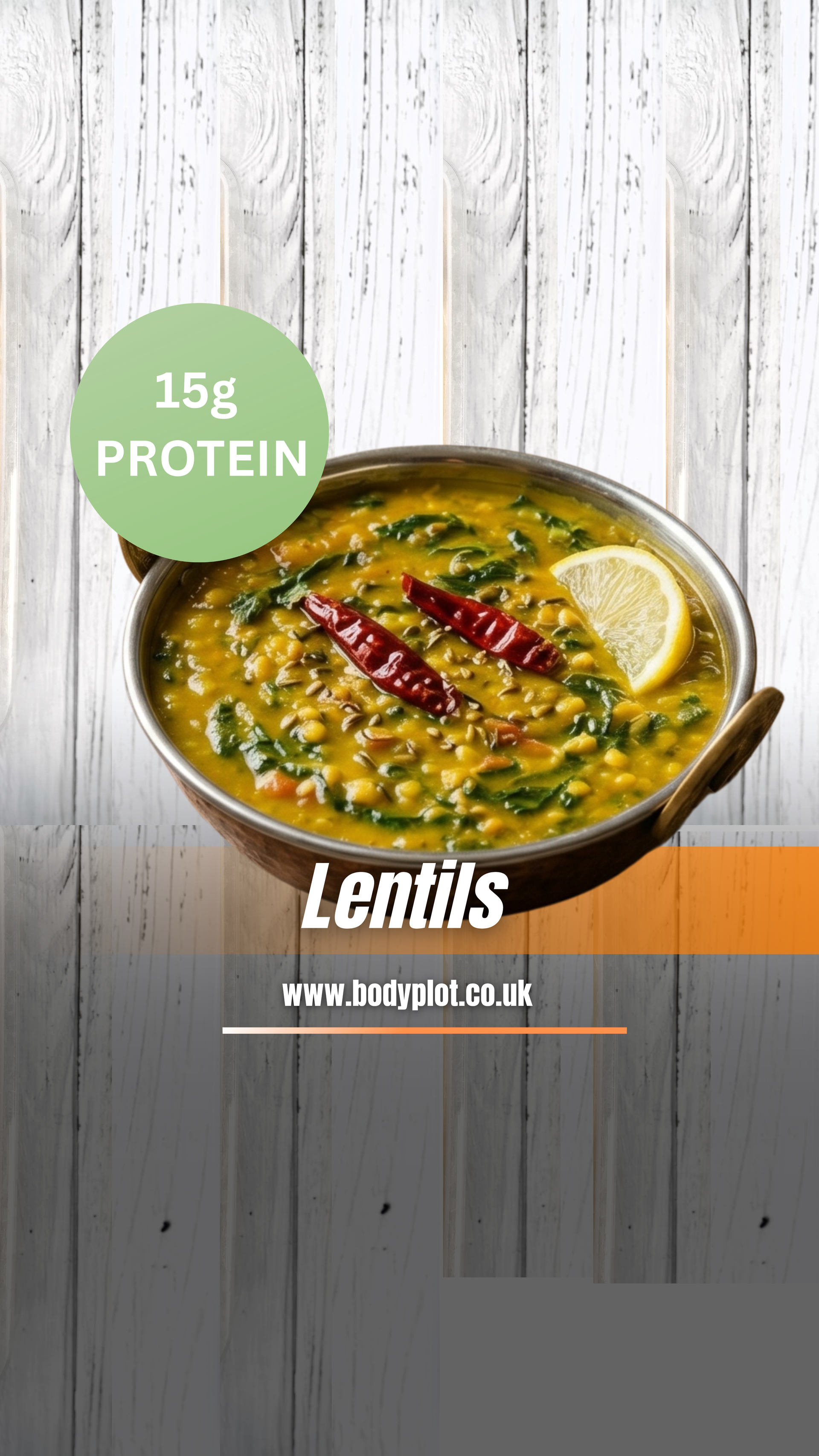
However, again with a bit of planning, it is extremely obtainable to put combinations of proteins together to ensure you’re eating a complete amino acid profile for example pairing quinoa and beans, porridge with soya milk, chickpea curry and rice and peanut butter on toast. In addition, BCAAs can be found in seeds, nuts and chickpeas and leucine in particular can be obtained from soy beans, pumpkin seeds and lentils. There are also a wide variety of plant-based supplements available, typically including a blend of soy, pea, rice and hemp protein, which may be beneficial for convenience.
To summarise, with some additional planning, as well as education, it is definitely possible to obtain adequate protein from a plant-based diet to support performance, as well as muscle growth. Without the additional planning and appropriate considerations, a plant-based diet, more specifically a vegan diet, can result in deficiencies which could decrease performance. Ensuring you’re eating a sufficient amount of each macro nutrient in each meal can be an effective and no nonsense way to ensure you’re eating a balanced diet.
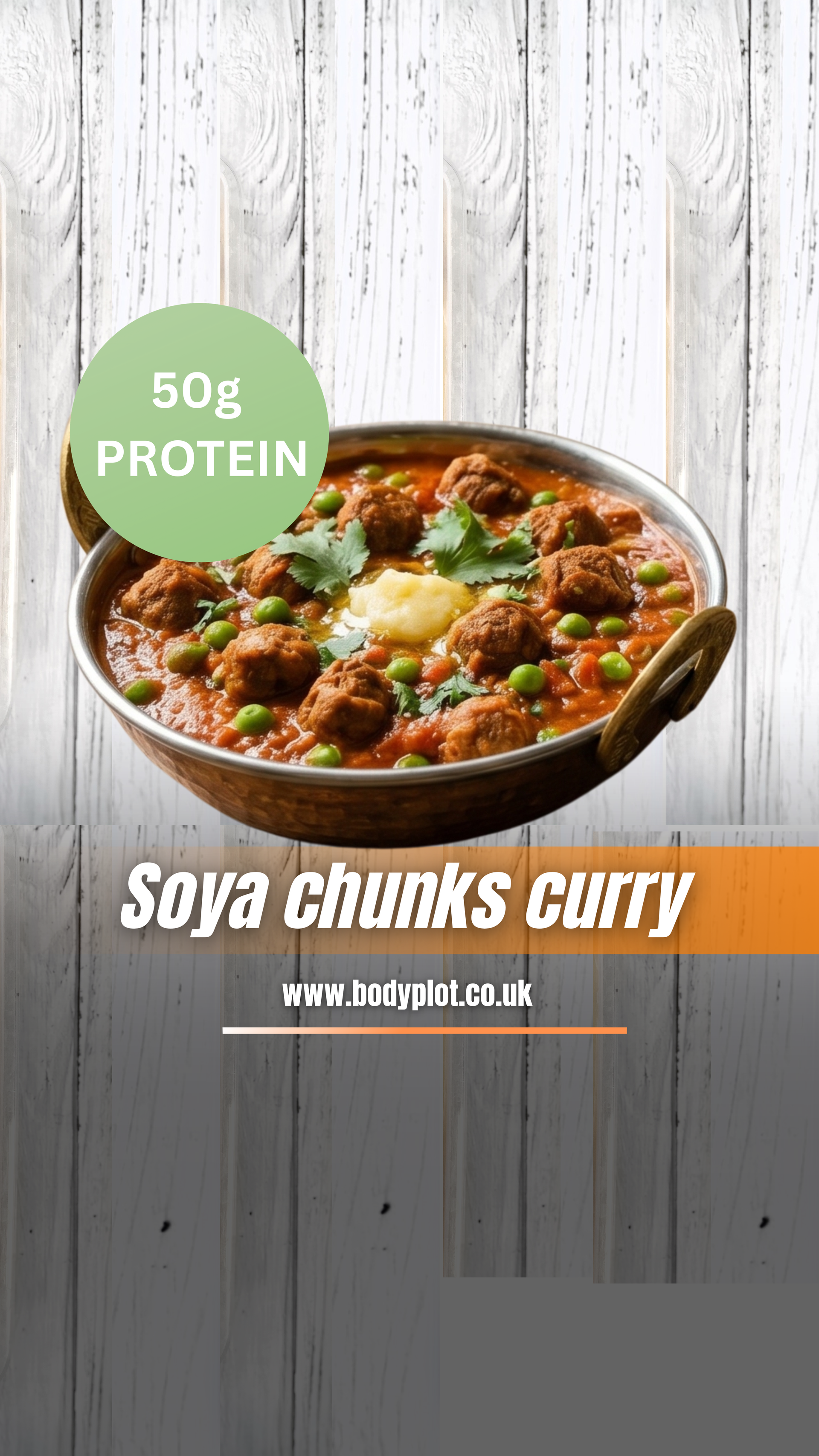
SOYA CHUNKS & PEAS CURRY (High Protein, Budget Friendly) Ingredients + Method Soak: 100g soya chunks in hot water for 10 minutes Squeeze out water and rinse. In a pan, heat 1 tsp oil. Add: 1 chopped onion Cook until golden. Add: 1 tbsp ginger-garlic paste Add spices: 1 tsp cumin 1 tsp garam masala 1 tsp coriander powder ½ tsp turmeric Add: 2 chopped tomatoes Cook until soft. Add: 100g frozen peas Soya chunks Add 200–300ml water and simmer for 15 minutes. Finish with: Fresh coriander Squeeze of lemon
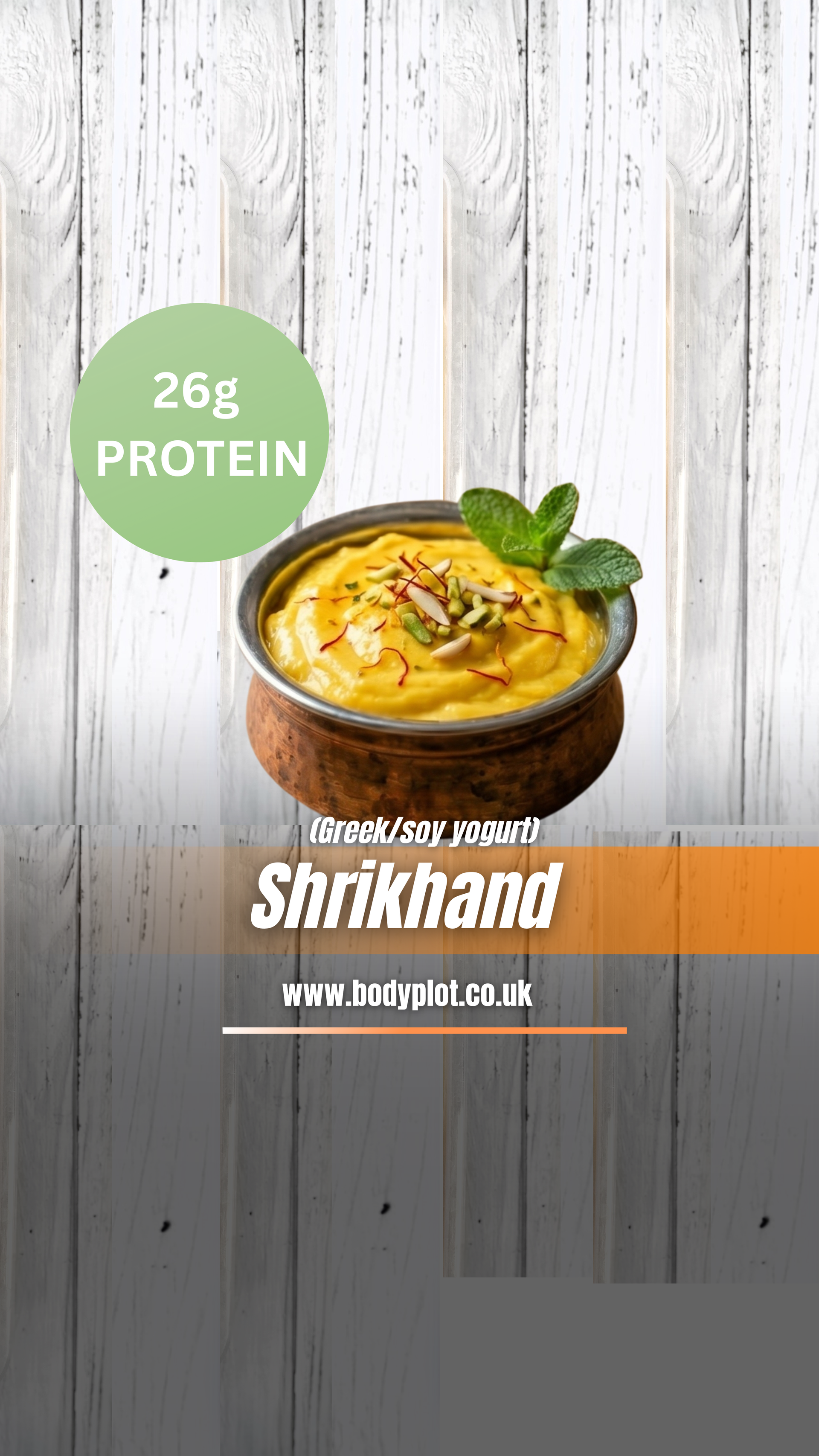
GREEK / SOYA YOGURT SHRIKHAND (High Protein Dessert) Ingredients + Method In a bowl, combine: 300g 0% Greek yogurt OR thick soya yogurt (If using regular yogurt, strain overnight for thickness) Add: 1–2 tbsp maple syrup or honey or stevia powder 1/2 tsp cardamom powder ¼ tsp cardamom powder Few strands saffron soaked in warm water Mix well until smooth. Optional toppings: Chopped pistachios Almond slivers Chill for 1 hour before serving.
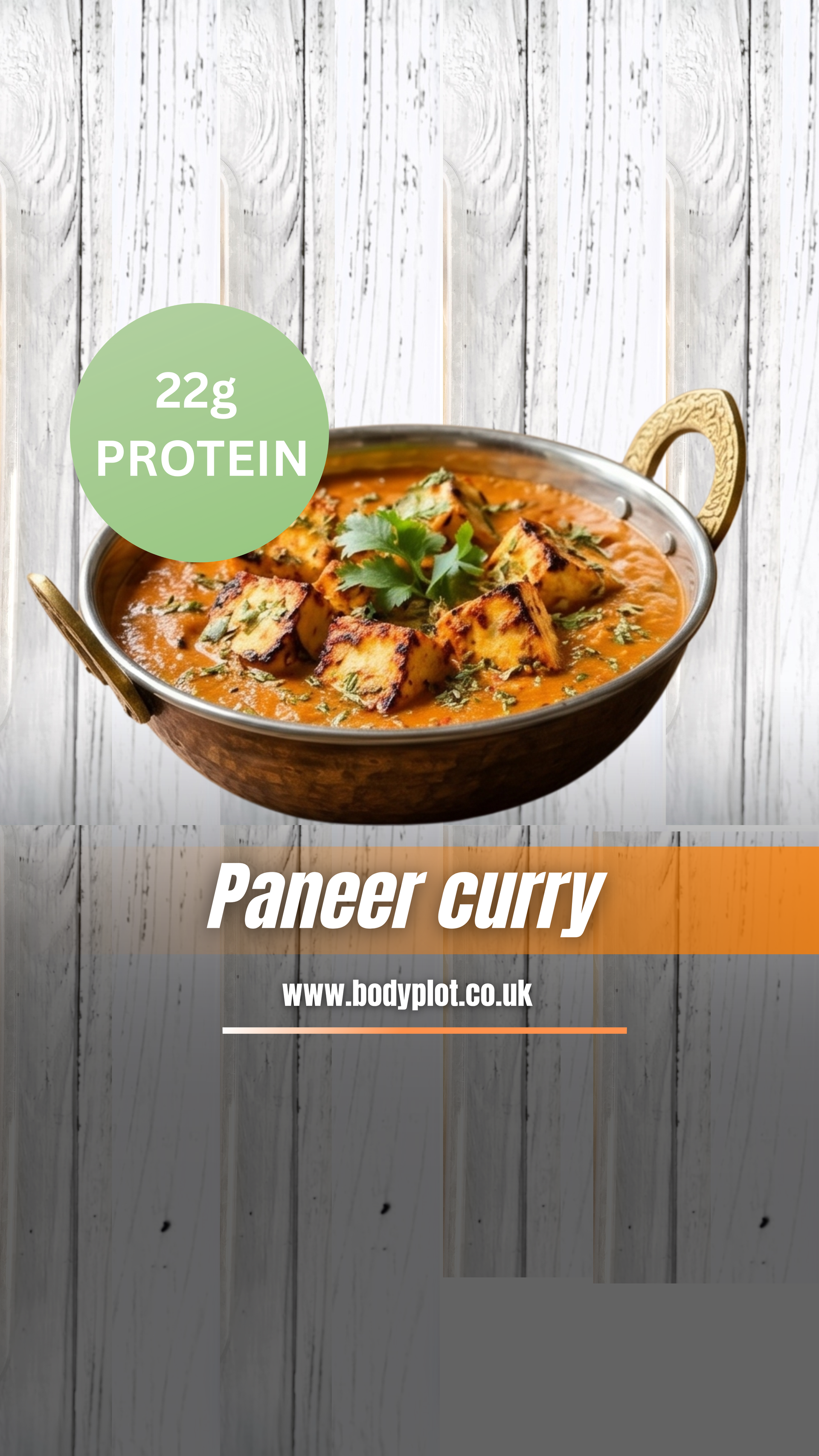
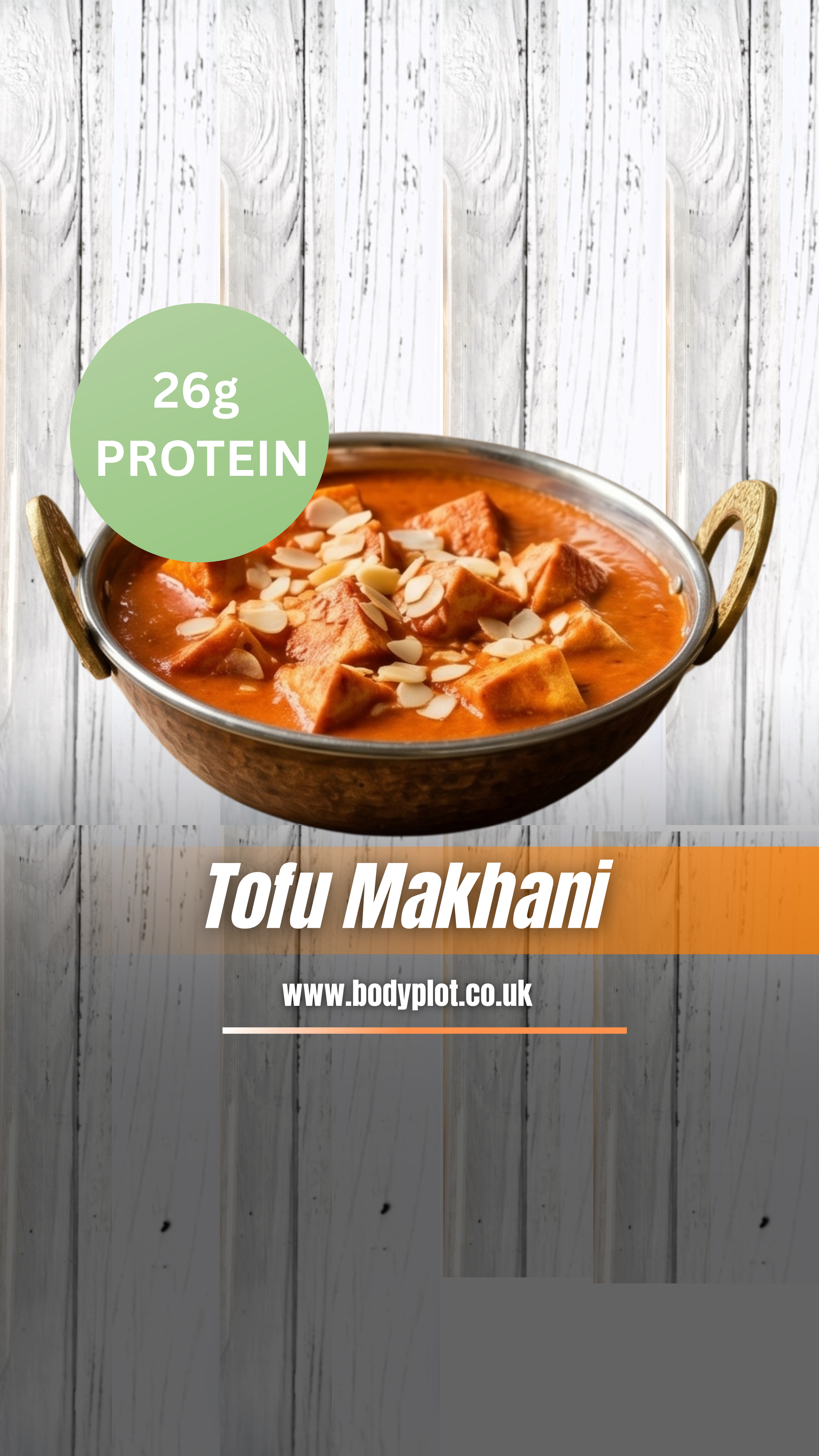
PANEER TIKKA MASALA (Lighter, High Protein Version) Ingredients + Method Cut 250g Apetina paneer into cubes. Marinate with: 3 tbsp 0% Greek yogurt or Soya yogurt 1 tsp turmeric 1 tsp garam masala 1 tsp paprika Salt Leave for at least 30 minutes. Air fry or grill at 200°C for 10–12 minutes until lightly charred. For sauce: In a pan, heat 1 tsp oil. Add: 1 chopped onion Cook until soft. Add: 2 cloves garlic 1 tbsp ginger Add spices: 1 tsp cumin 1 tsp garam masala ½ tsp turmeric Add: 1 tin chopped tomatoes Simmer 10 minutes and blend if desired. Stir in: 2 tbsp Greek or soya yogurt (off heat to avoid splitting) Add paneer and simmer gently for 5 minutes. Finish with coriander.
The body content of your post goes here. To edit this text, click on it and delete this default text and start typing your own or paste your own from a different source.
The body content of your post goes here. To edit this text, click on it and delete this default text and start typing your own or paste your own from a different source.
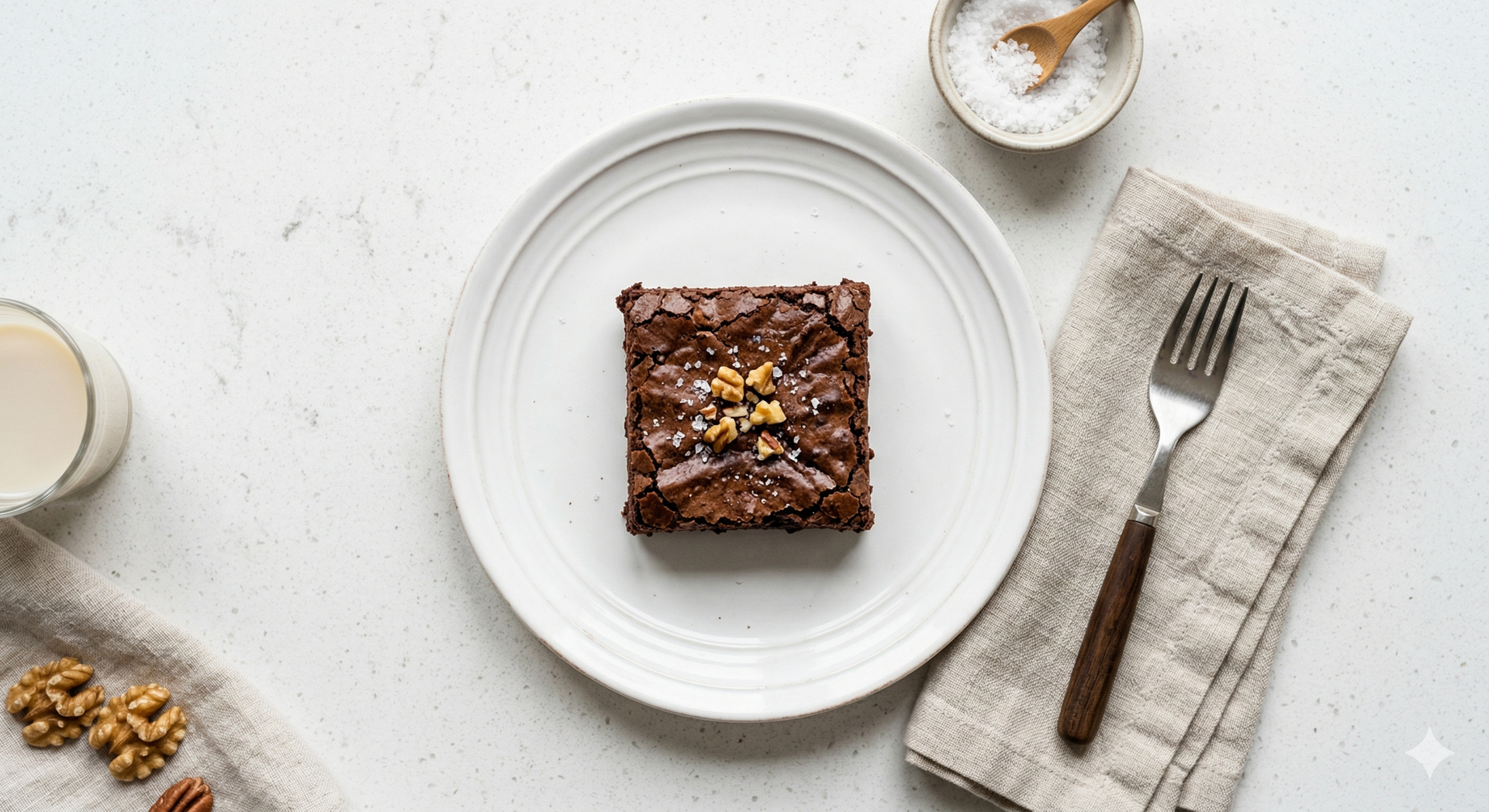
🌱 What You’ll Need (Ingredients): Sweet Potato Puree: 1 ½ cups (Approx. 2 medium sweet potatoes, roasted and mashed) Nut Butter: ½ cup almond or cashew butter (creamy works best) Maple Syrup: ¼ cup (or honey) Cocoa Powder: ½ cup (unsweetened, good quality) Oat Flour: 1/3 cup (or almond flour for GF) Eggs: 2 large (or substitute with 2 flax eggs for vegan!) Vanilla Extract: 1 tsp Baking Powder: 1 tsp Sea Salt: ½ tsp + extra for finishing Chocolate Chips: ½ cup (dark is delicious!) Walnuts: ¼ cup, chopped (for the topping!) Optional: A pinch of cinnamon or cardamom for that extra spring warmth! ✨ 👩🍳 How to Make the Magic (Method): Prep: Preheat your oven to 175°C. Line an 8x8 inch baking dish with parchment paper (leave overhang for easy removal!). Blend the Base: In a large bowl or food processor, combine the smooth sweet potato puree , nut butter , maple syrup , eggs (or flax eggs), and vanilla extract . Mix until perfectly smooth and creamy. Add the Dry Ingredients: Add the cocoa powder , oat flour , baking powder , and sea salt . Fold gently until just combined—don’t overmix! (The texture should be thick and dreamy). If you’re using cinnamon or cardamom, add it now. Fold in the Treats: Gently fold in most of your chocolate chips . Leave a few aside to sprinkle on top! Assemble: Pour the batter into your prepared pan and smooth the top. Sprinkle with the reserved chocolate chips, the chopped walnuts , and a generous pinch of flaky sea salt . Bake: Bake for 25–30 minutes, or until the edges are firm and the center feels set but still soft. You want them fudgy! Chill (The Secret!): This is the hardest part, but it’s crucial. Let the brownies cool completely in the pan, then refrigerate them for at least 1 hour (or overnight) before slicing. This locks in that magical, dense, fudgy texture. Serve & Celebrate: Lift the brownies out using the parchment, slice into squares, and enjoy! ✨ Perfect with a glass of milk (dairy or non-dairy!) or just as they are.
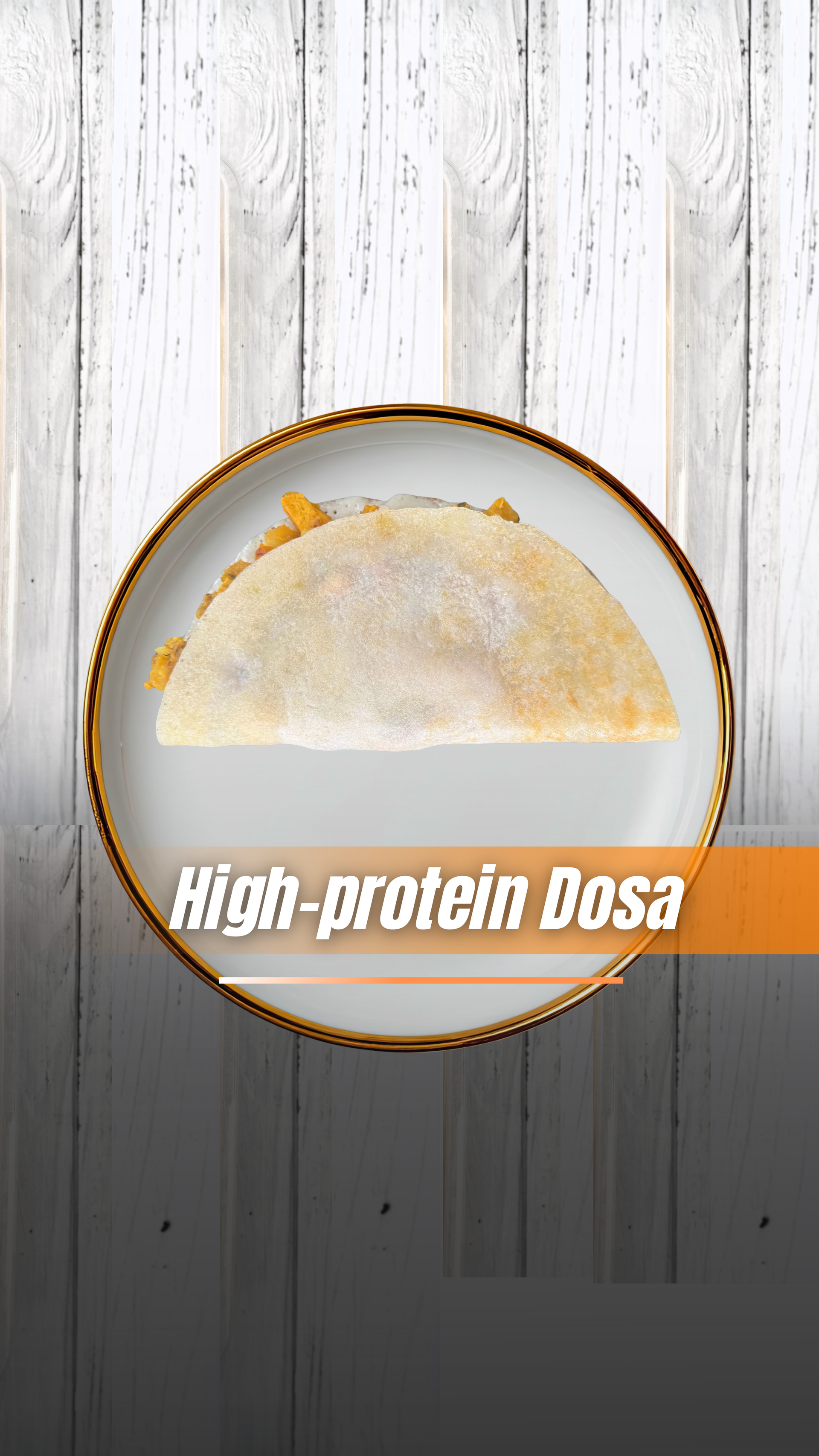
20g Protein Dosa (Paneer or Tofu Filling) A comforting South Indian favourite with a high-protein twist. If you love dosa but struggle to hit your protein targets, this version is a game changer. By combining a traditional potato masala with either paneer or tofu, each dosa delivers around 20g of protein while still tasting like the classic comfort food we all love. Perfect for breakfast, lunch or dinner when you want something satisfying, nourishing and simple to make. Serves Makes 4 high-protein dosas Protein Approx 20g protein per dosa Ingredients For the dosa batter 2 cups dosa batter (store bought or homemade with more lentils) 1 tsp oil or ghee per dosa for cooking For the high-protein masala filling 2 medium potatoes, boiled and roughly mashed 200g paneer or firm tofu, crumbled 1 small onion, finely chopped 1 tsp mustard seeds 1 tsp cumin seeds 8–10 curry leaves 1 green chilli, finely chopped (optional) ½ tsp turmeric ½ tsp chilli powder 1 tsp garam masala Salt to taste 1 tbsp oil Juice of ½ lemon Handful fresh coriander, chopped Method Prepare the filling Heat oil in a pan over medium heat. Add mustard seeds and allow them to pop. Add cumin seeds and curry leaves and sauté for 30 seconds until fragrant. Add the chopped onion and cook until soft and lightly golden. Build the masala Add turmeric, chilli powder and garam masala. Stir for 30 seconds. Add the mashed potatoes and mix well so they absorb the spices. Add the protein Stir in the crumbled paneer or tofu and mix thoroughly with the potato masala. Cook for 3–4 minutes so everything heats through. Finish with lemon juice and fresh coriander. Cook the dosa Heat a non-stick or cast-iron pan. Pour a ladle of batter and spread into a thin circle. Drizzle a little oil or ghee around the edges and cook until the bottom is golden and crisp. Assemble Place a generous scoop of the protein masala in the centre of the dosa. Fold and serve hot with chutney or sambar.
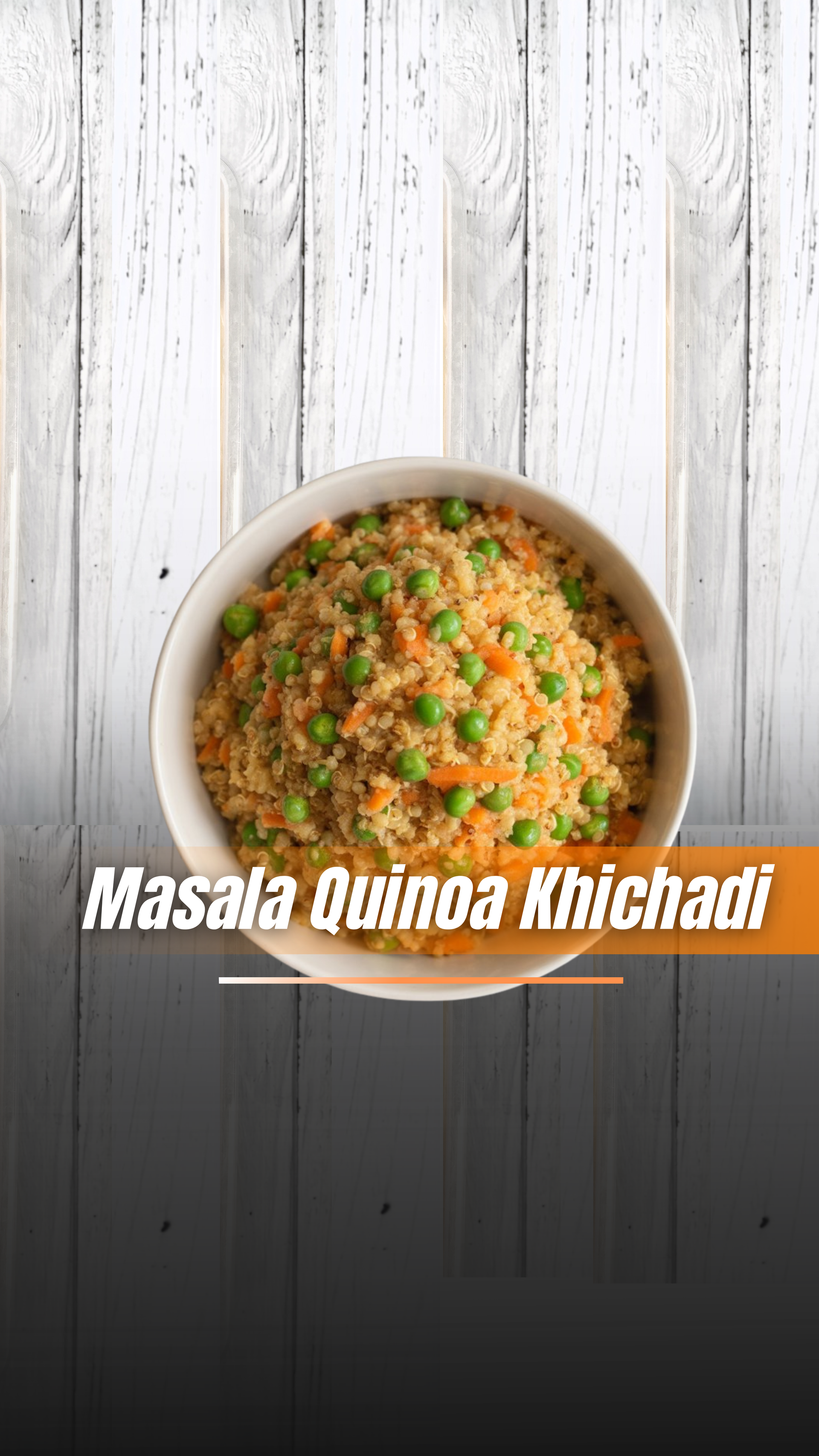
Quinoa Khichadi Feeds 4–5 people Ingredients 812 g cooked quinoa 120 g yellow moong dal (about ⅔ cup), rinsed 2 tbsp ghee or olive oil 1½ tsp cumin seeds 1 tsp mustard seeds (optional) 2 tsp grated ginger 1–2 green chillies, finely chopped (optional) ½ tsp turmeric 1 tsp ground coriander 1 tsp ground cumin 2 medium carrots (about 200 g), diced 150 g peas 1 medium courgette (about 180 g), diced (optional) 1.2–1.5 litres water (adjust for texture) Salt to taste Fresh coriander to garnish Lemon wedges to serve Optional tempering 2 tsp ghee 1 tsp cumin seeds Pinch hing 6–8 curry leaves Method (with quantities included) Add 120 g rinsed moong dal and 500 ml water to a saucepan and simmer for 15–20 minutes until very soft. Heat 2 tbsp ghee or olive oil in a large pot. Add 1½ tsp cumin seeds and 1 tsp mustard seeds and let them crackle. Add 2 tsp grated ginger and 1–2 chopped green chillies and sauté for 30 seconds. Stir in ½ tsp turmeric, 1 tsp ground coriander and 1 tsp ground cumin and toast briefly. Add 200 g diced carrots, 150 g peas and 180 g diced courgette and cook for 3–4 minutes. Add the cooked moong dal, 812 g cooked quinoa, salt and 700 ml water. Stir well. Simmer for 8–10 minutes, adding more water until the khichadi is soft and spoonable. You may need up to another 500–800 ml depending on how thick you like it. Optional tempering: heat 2 tsp ghee, add 1 tsp cumin seeds, pinch hing and curry leaves, let splutter and pour over. Garnish with coriander and lemon juice before serving. Extra Body Plot Tips Add spinach at the end for iron and fibre Stir in tofu cubes for extra protein Serve with coconut yogurt and mango pickle Great for clients with gut issues, post-illness recovery, or reset weeks
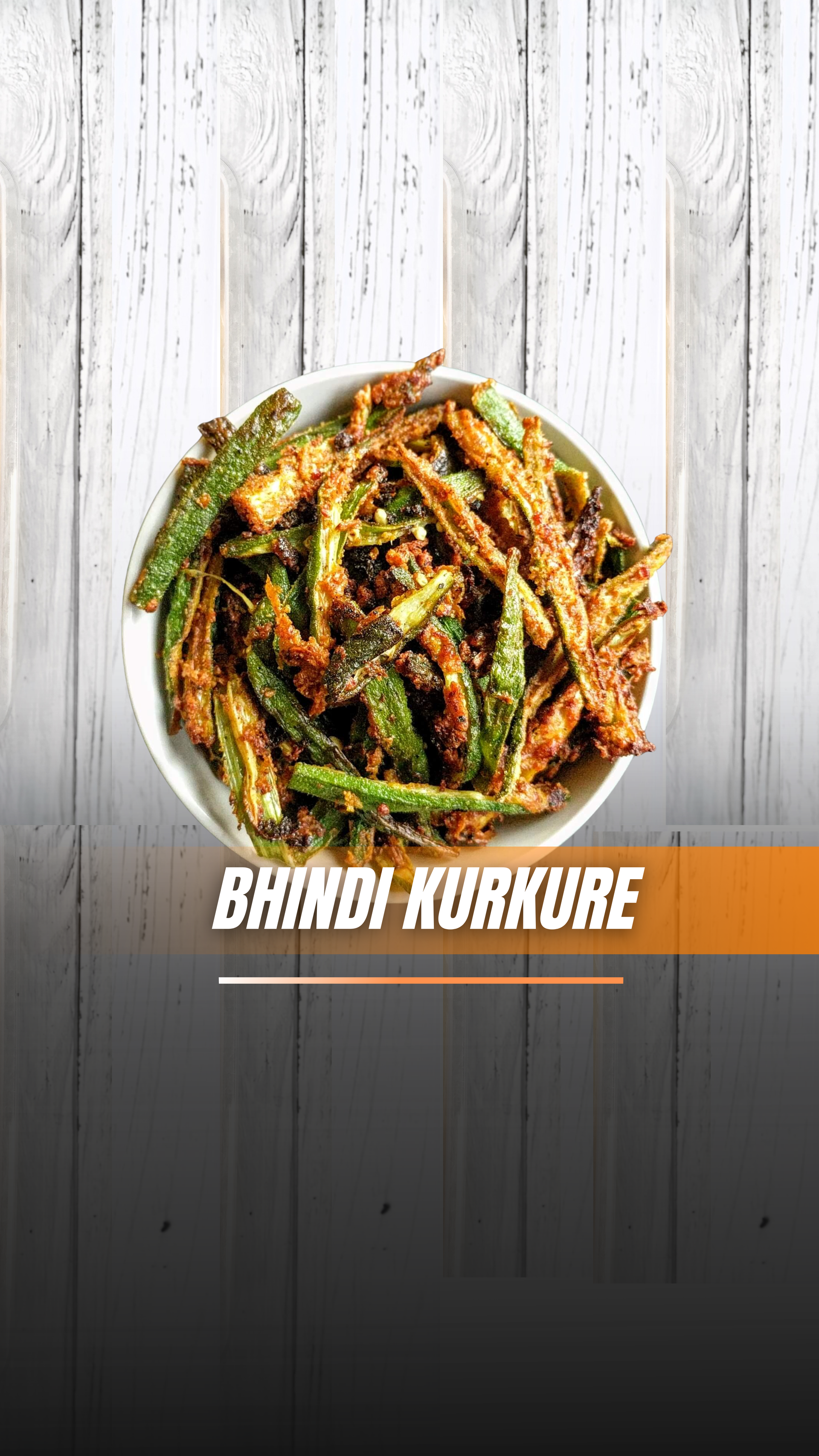
A lighter, oil-controlled version of restaurant-style kurkure bhindi. Perfect as a crunchy side, snack, or topping for dal bowls - and great addition for every household on Friday Fakeaway night! Serves : 6–8 as a side dish Ingredients 1kg fresh bhindi (okra) 120g gram flour (besan) 60g rice flour 40g cornflour 2 tsp turmeric powder 4 tsp red chilli powder 4 tsp coriander powder 2 tsp cumin powder 2 tsp amchur (dry mango powder) 2 tsp chaat masala 2 tsp ajwain (optional) 2½–3 tsp salt (to taste) 4 tbsp oil (about 60ml) Light oil spray for air fryer Optional finish: lemon juice + extra chaat masala Method Wash the bhindi and dry completely. Moisture makes it slimy and prevents crisping. Slice lengthwise into thin strips. The thinner the slices, the crispier the result. Place bhindi in a large bowl. Add oil and salt and toss well. Add besan, rice flour, cornflour and all spices. Mix gently using your hands so each strip is lightly coated. The coating should be thin, not thick like pakoras. If mixture looks too dry, sprinkle 1–2 tbsp water. If too sticky, add 1 tbsp rice flour. Air Fryer Cooking Preheat air fryer to 180°C. Spread bhindi in a single layer (cook in batches if needed). Spray lightly with oil. Air fry 14–18 minutes, shaking halfway. Cook until deep golden and crisp. For extra crunch: cook 12 minutes, rest 5 minutes, cook another 3–4 minutes. To Serve Sprinkle chaat masala and squeeze fresh lemon juice. Serve with dal, yoghurt dip, wraps, or as a crunchy topping on salads. Storage Cool completely before storing. Keep in airtight container up to 2 days. Reheat in air fryer 3–4 minutes to crisp again. Body Plot benefits: High fibre and lower oil than traditional frying. Add crushed flaxseed or hemp seeds for extra protein. Pair with dal + salad for a balanced menopause-friendly meal and diabetes friendly meal with stable energy.
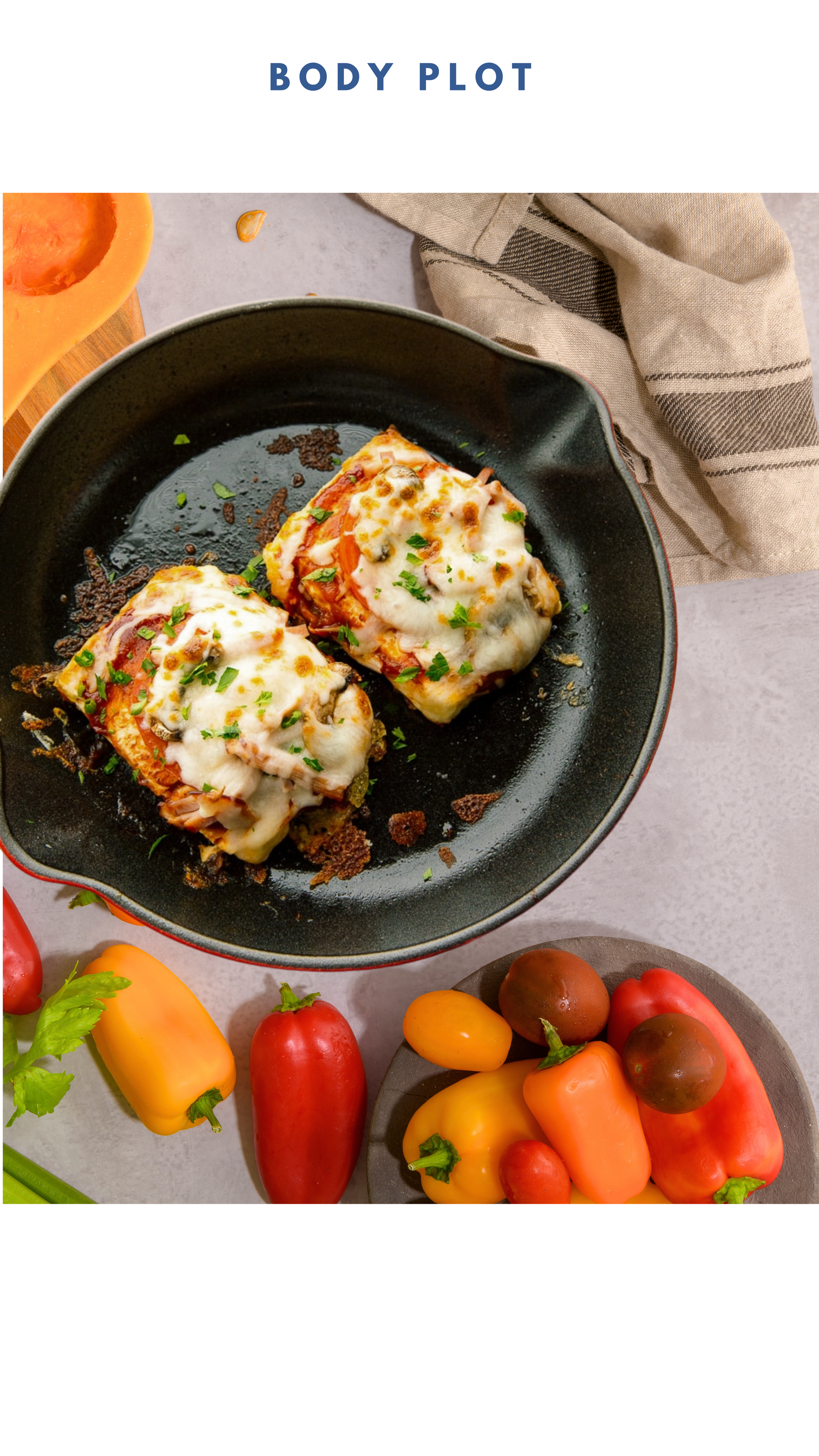
This recipe is such a delicious and nutritious take on pizza! If you've not enjoyed tofu previously, this recipe will change your opinion. Want to have your cake and eat it too? Try: have your pizza and eat it too! Key benefits: - High in Protein - Plant-centric with over 8 vegetables in this one dish - Can be easily made Vegan - Great for lowering cholesterol - Great for menopausal women Ingredients: - 1 block of Tofu [we used basil tofu] - Homemade or store bought tomato sauce - Protein cheese [Eat Lean or LIDL high protein] or Vegan Mozzarella - Vegetables of choice, we used: Aubergines, courgettes, sweetcorn, tomatoes, mushrooms, onions & red peppers - Lower in fat pesto Method: Drain tofu according to instructions on the pack. Cut tofu lengthways - this should result in approximately 3-4 tofu bases. Add these to a oil brushed air fryer or oven and bake at 190 degrees for 12 minutes, turning halfway. Finely dice the vegetables. Top with sauce, vegetables, cheese and pesto and add back into the air fryer or oven for a further 5 minutes until melted. Serve with a side salad and enjoy!